By Solon Kelleher Arts Reporting Fellow
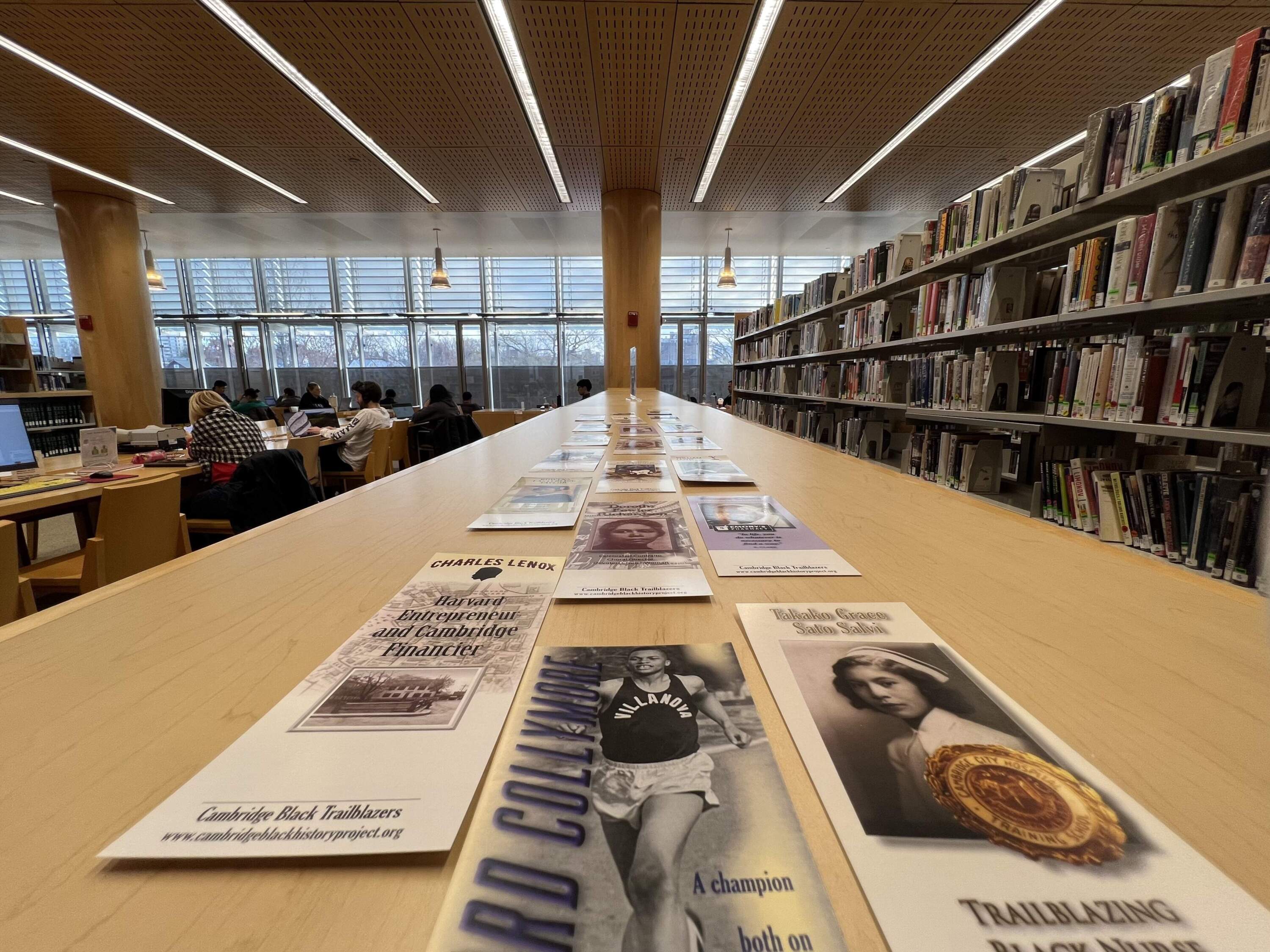
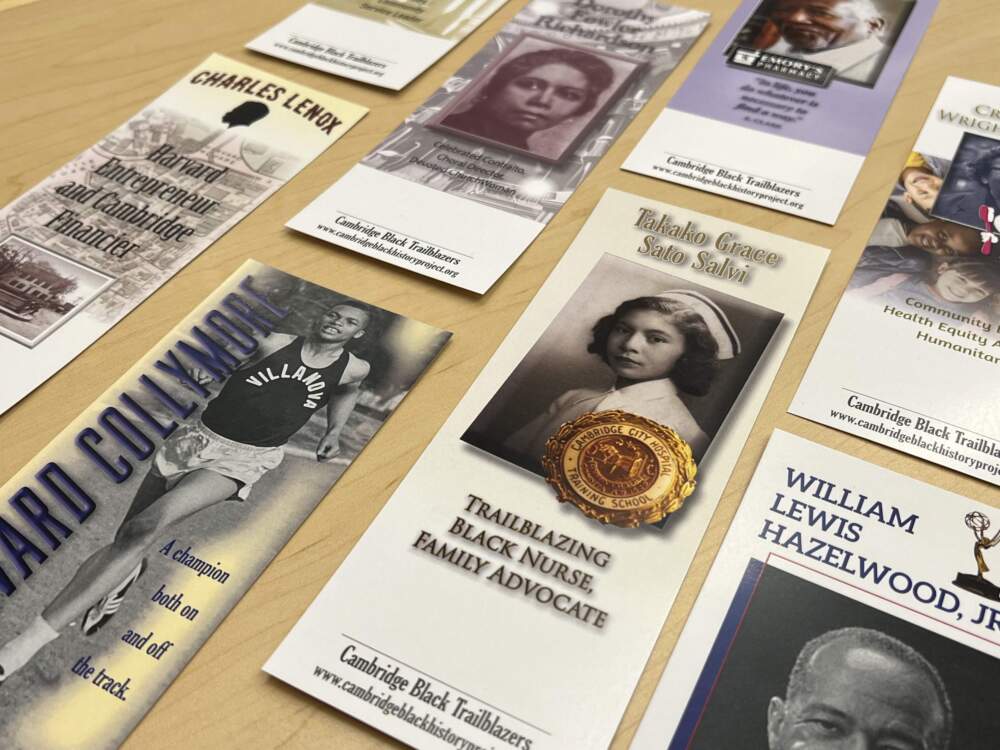
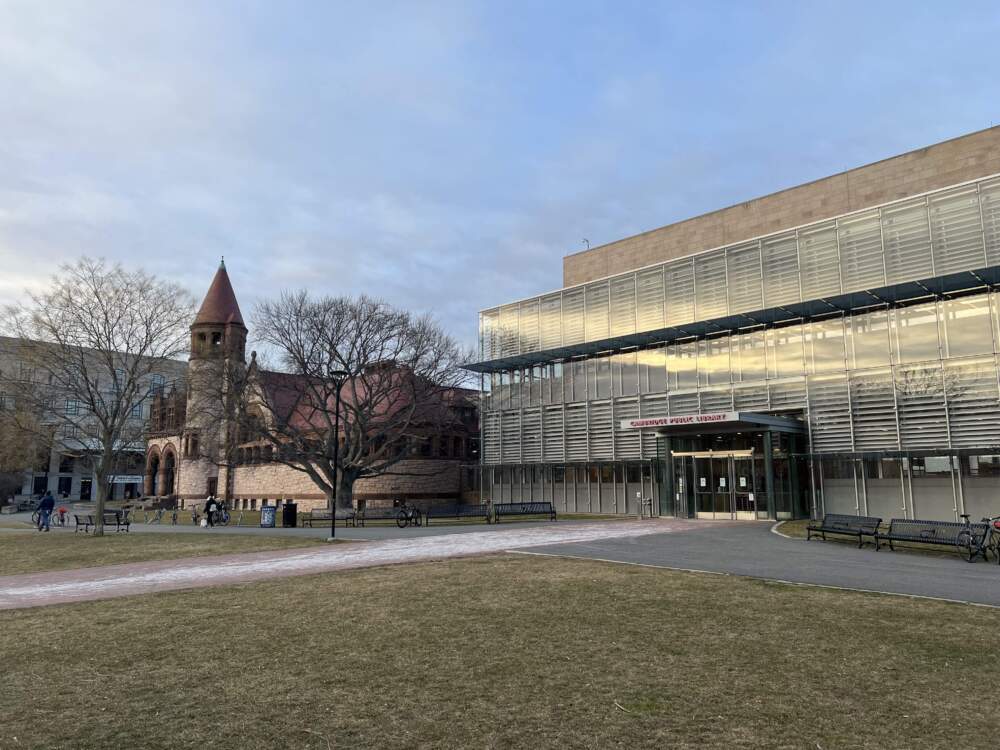
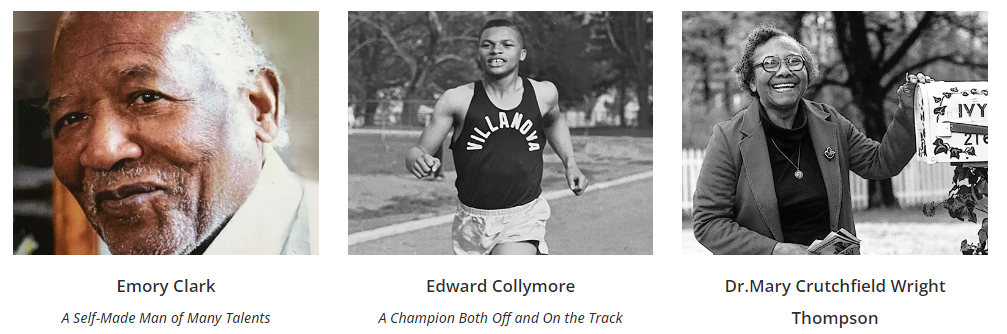
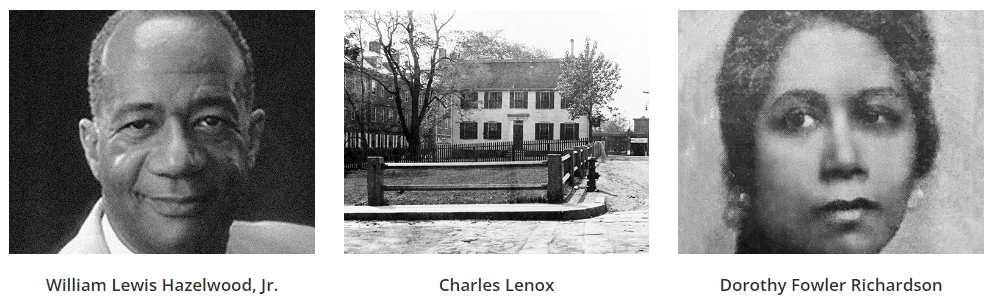
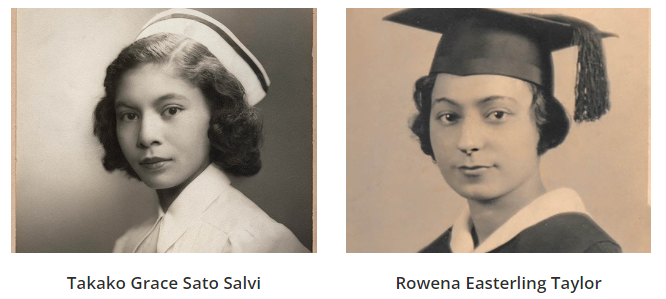
Visitors at any of Cambridge’s seven public libraries will have something extra to read inside their books this month. The library partnered with the Cambridge Black History Project, the city and the school system to distribute bookmarks with the histories of 23 influential Black Cantabrigians.
Those featured have achievements in art, sports, medicine, business and civil service. Individuals include Joyce London Alexander, the country’s first African American to be appointed chief magistrate judge, accomplished saxophonist Johnny Hodges and Saundra Graham, the first Cambridge woman of color to be elected to city council.
President of the Cambridge Black History Project James Spencer is the fifth generation of his family to grow up in the city. He remembers the Cambridge Public Library as a place where he got his first library card at the age of five and then, as he grew older, where he went to read up on local history. He and the project’s other volunteers created the bookmarks to help inspire a new generation.
“There was so much of an excitement about national figures,” said Spencer. “And we’ve heard them all, whether it’s Rosa Parks or Martin Luther King [Jr.], but we thought at the Cambridge Black History Project, the people weren’t hearing about our own local heroes.” He added, “What we wanted to do was to let our kids and our neighbors know about the great accomplishments of Black people who walk the same streets that they’re walking now.”
The project put together a Cambridge Black History Trail back in the 1990s and used the bookmarks project to expand beyond the nine stops on the walking tour. One of the trailblazers, 94-year-old retired graphic designer Frank Lucas, helped design the bookmarks. In the 1950s, Lucas became the first African American illustrator and photographer in Boston’s advertising industry, according to the project. By the mid-1960s, Lucas was hired at Ginn and Company to supervise art editors in the selection of art and photography for school textbooks. He worked at the firm for 31 years before retiring and doing consultant work for organizations such as Sesame Street.
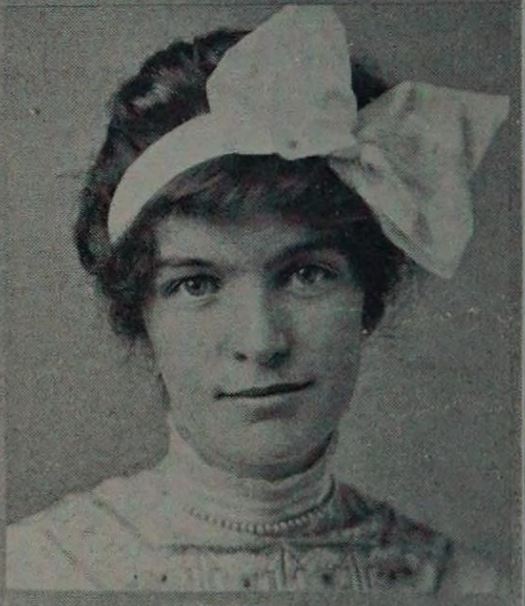
Paula Paris is one of the volunteers who helped research and write the trailblazers’ biographies. She said that as much as she was familiar with many of the names, the research led her to new and exciting discoveries. She recounts the story of Katherine “Kittie” T. Knox, a seamstress born in 1874 with a passion for cycling. “There’s actually a bike trail in East Cambridge’s Kendall Square area that’s named after her,” Paris said. “She was a cyclist, and she was scandalized for wearing bloomers.” Knox spoke out against discrimination in the cycling community and was expelled from a convention of the League of American Wheelmen when the organization began barring African Americans.
For Spencer, the bookmarks are a way to help inspire a younger generation. “I was very concerned about our high school students and especially our high school students of color,” said Spencer. He had read an article in the Cambridge Chronicle about a report of increased discrimination within the Cambridge Public School systems. “I experienced discrimination back from 1961 and 65 … I wanted to be able to let students in Cambridge know, ‘listen, there are so many role models for you to look to right here in your own city. And we’re, we’re going to make that open to you.’”
The bookmarks include footnotes citing sources, so if people want to learn more beyond what could fit in a condensed biography they can find other materials. People can also find more information on each trailblazer on the project’s website.
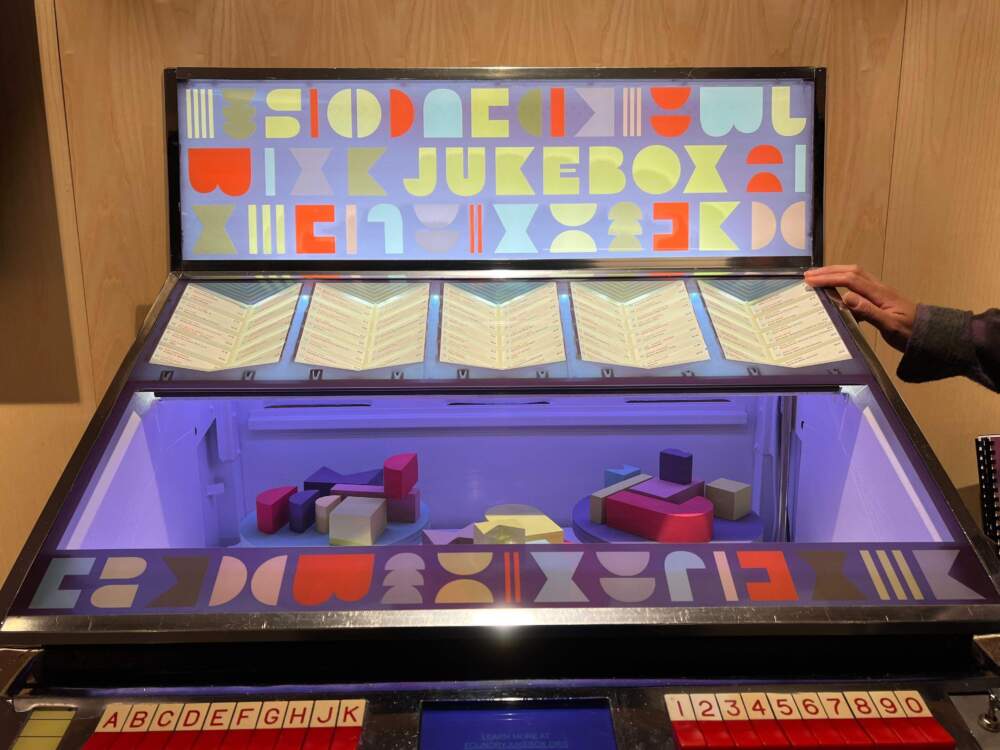
The Cambridge Black History also teamed up with artist Elisa Hamilton to record oral histories for The Foundry’s Jukebox in Cambridge. They recently received a grant from MassHumanities to continue their oral history work with 25 additional interviews which will also be archived and available to visitors at the Cambridge Public Library.


 The Cambridge Room